Need advice? Let's talk.
Get straightforward guidance from your broadcasting partner. Schedule a call to chat with the team about your radio station.
Book Demo4 Reasons Why Radio is Still Popular
Listener habits have changed, but our love for radio hasn’t. Discover why radio is still popular, outperforming podcasts and TV in the digital era.


How We Know Radio Is Still Popular
With the rise and rise of podcasting, many people wonder if it's replacing radio. But Data from Nielsen suggests it isn’t, according to their Audio Today 2019 report. And this report is a good snapshot of radio's popularity. In America, 92% of the population still listens to radio every week, approximately 272 million people. This is ahead of the 87% that consume television on a weekly basis and far beyond the 22% who listen to podcasts weekly.
Across all demographics, Nielsen's 2026 radio report demonstrates that radio is still the most popular form of media in America. Radio reaches 93% of adults aged 18+, 91% aged 18-49, and 93% aged 25-54. That being said, here are our thoughts on why radio is still popular today...
4 Reasons Why Radio Radio is Still Popular
4. Radio is Portable
Nielsen's 2026 data confirms radio's role as a companion medium, with over 80% of all ad-supported audio time in vehicles belonging to AM/FM radio. It is also easily accessible to anyone, as most, if not all, cars come equipped with radios.
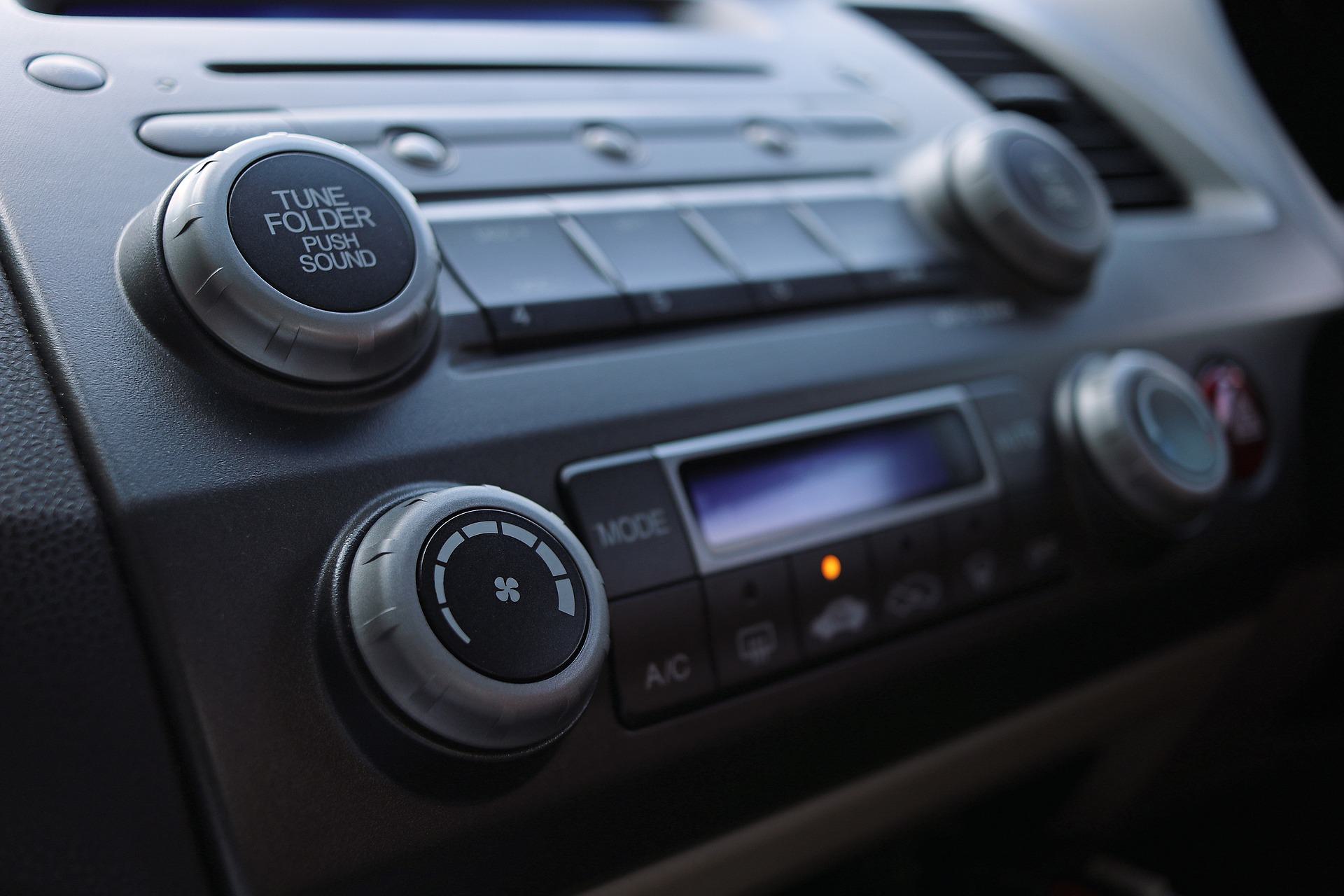
Nielsen’s data shows that 65% of weekly radio consumption happens outside of the home, with 74% of all out-of-home radio use during morning and afternoon drives happens in the car. Audience numbers spike during prime hours of the day, while listeners are out of home and closest to the point of purchase (commuting, working, shopping. Radio is the companion you take with you on your daily commutes that helps you get through long days at the office, and the companion that makes your chores feel just that bit more bearable.
Radio is also very advertiser-friendly. In modern times, as people favour subscription services where they won’t encounter advertisements, radio is the medium that will not only allow advertisers to reach large audiences, but also target them when they’re out and closest to retailers.
3. Radio is Free
Radio doesn't require any form of monthly subscription, due to being advertiser-funded, unlike many current media services.
[Radio is] accessible anywhere and to everyone online.
Even podcasts are often on subscription sites such as Spotify, making radio one of the last genuinely free alternatives when most other services are becoming increasingly costly. Take Soho Radio: accessible anywhere and to everyone online via radio directories, and on their site through their player.
2. Radio is Adaptable
Radio adapts with changing technologies and consumer trends. It is now accessible through laptops, computers, phones and even smart speakers, so you can listen to your favourite station whenever you want, however you want.
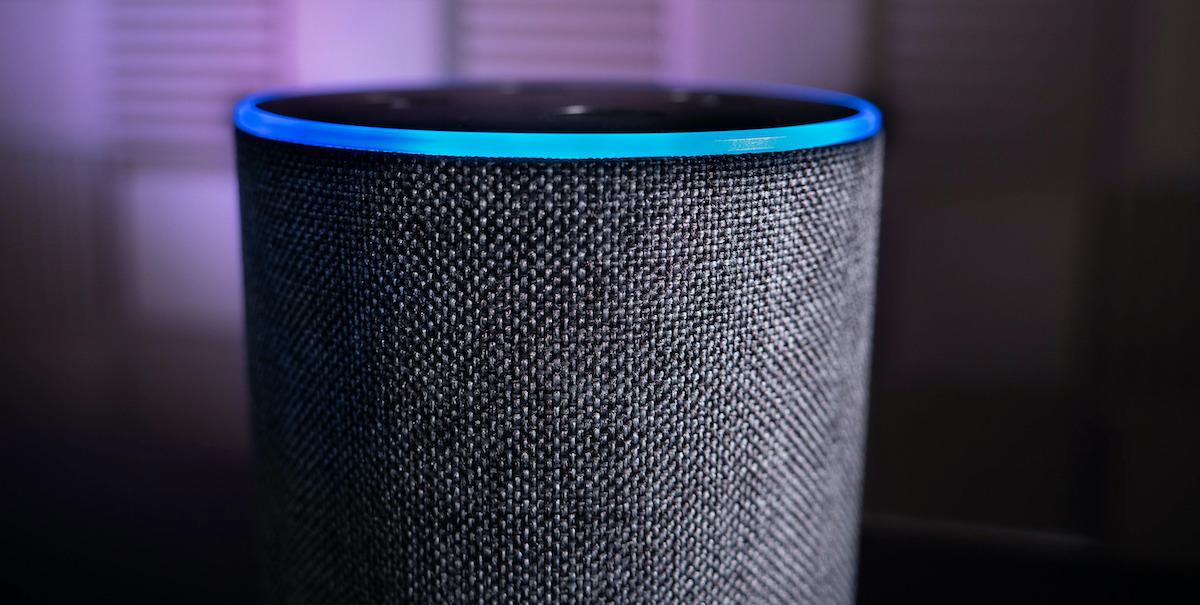
Radio doesn’t need you to set time aside the way TV does, as it asks less of its audience, being an audio-only medium. TV requires the full attention of its audience due to audio and visual elements, people can take the radio with them anywhere without missing out on half of the experience.
1. Radio is Inclusive
Nielsen’s 2026 findings show the appeal of radio remains broad across demographics, drawing large listener numbers across all ages, genders and ethnicities. Radio attracts 94% of Hispanic adults, 93% of Black adults, and 89% of young people aged 18-34.

Many podcasts aim for limited audiences, covering niche topics, and they aren’t always that easy to discover. Listeners usually have to go out of their way to find them. Radio has an established, easily digestible format that aims for larger audiences by promoting generalised content presented by regular DJs. Radio has no long-form narratives or story arcs, audiences can jump in and out without missing anything.
Make radio, not war.
Radio presenters still play a large part in drawing people in, as they often become like friends to regular listeners, some of whom tune in every day just to hear them. This makes radio a less demanding medium to get into than podcasts, which often require listeners to go back and familiarise themselves with older content, a problem radio does not have.
As it’s all about reaching a broad audience, unsurprisingly, stations which focus on what’s popular have the most success. Nielsen’s data supports this; the most popular stations amongst people ranging 18-34 are country music stations, which hold a 13.8% share of American adult's total time spent listening.
To Sum Up
How we consume our favourite content has changed, but Nielsen’s research demonstrates radio still has a firm hold on the market in the digital age. Where do you think radio is heading? Will radio still be relevant in the next 50 years? Let us know what you think on socials or down below 👇


